#product design
#product design
[ follow ]
#product-design
Graphic design
fromYanko Design - Modern Industrial Design News
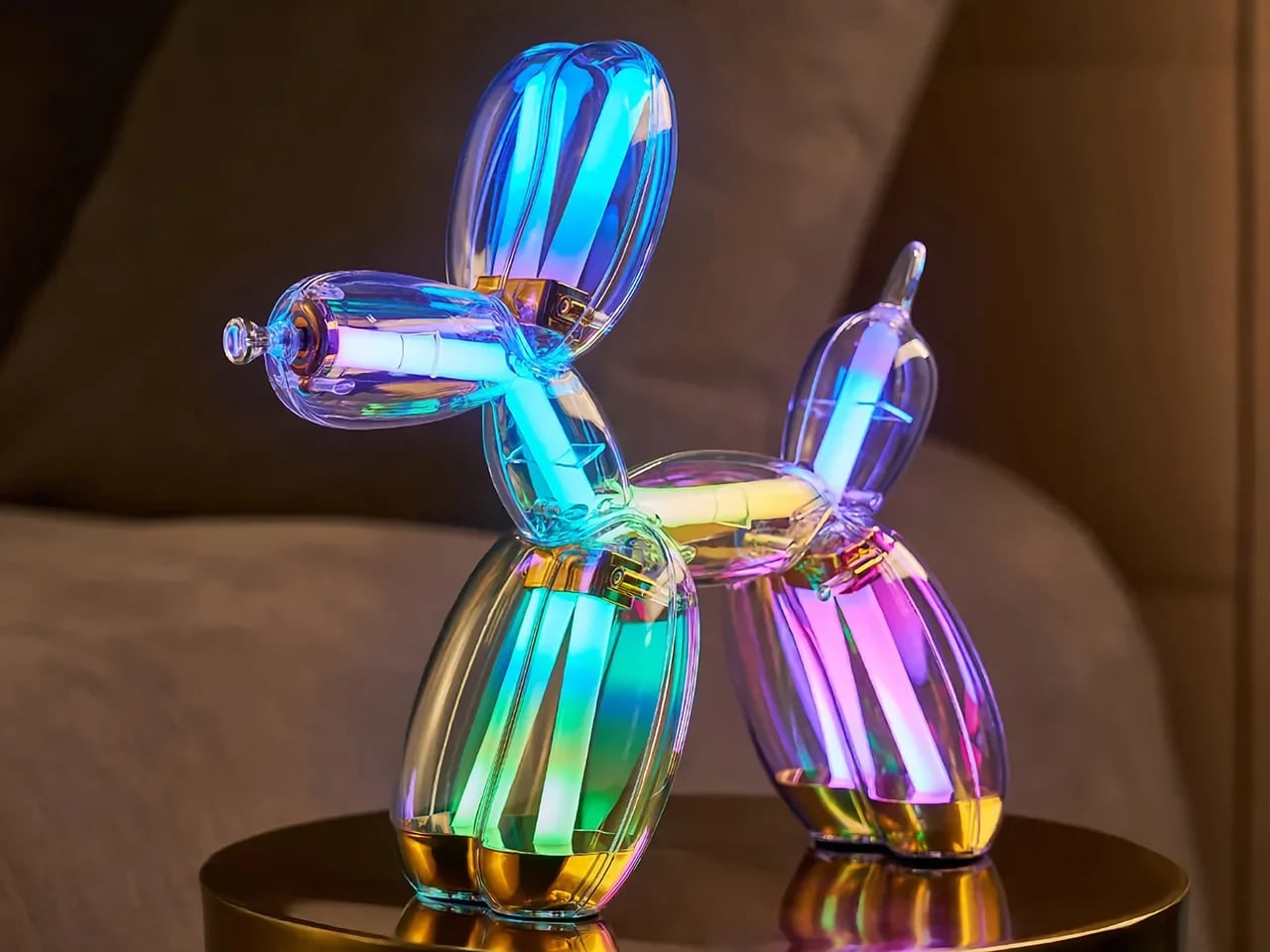
2 days agoLexon Turned Jeff Koons' Most Famous Sculpture Into The Coolest Statement Lamp You Can Actually Own - Yanko Design
A Balloon Dog lamp preserves Koons’ silhouette while using optical-grade polycarbonate and 400 LEDs to deliver clean, chromatic light across four colorways.
fromTasting Table
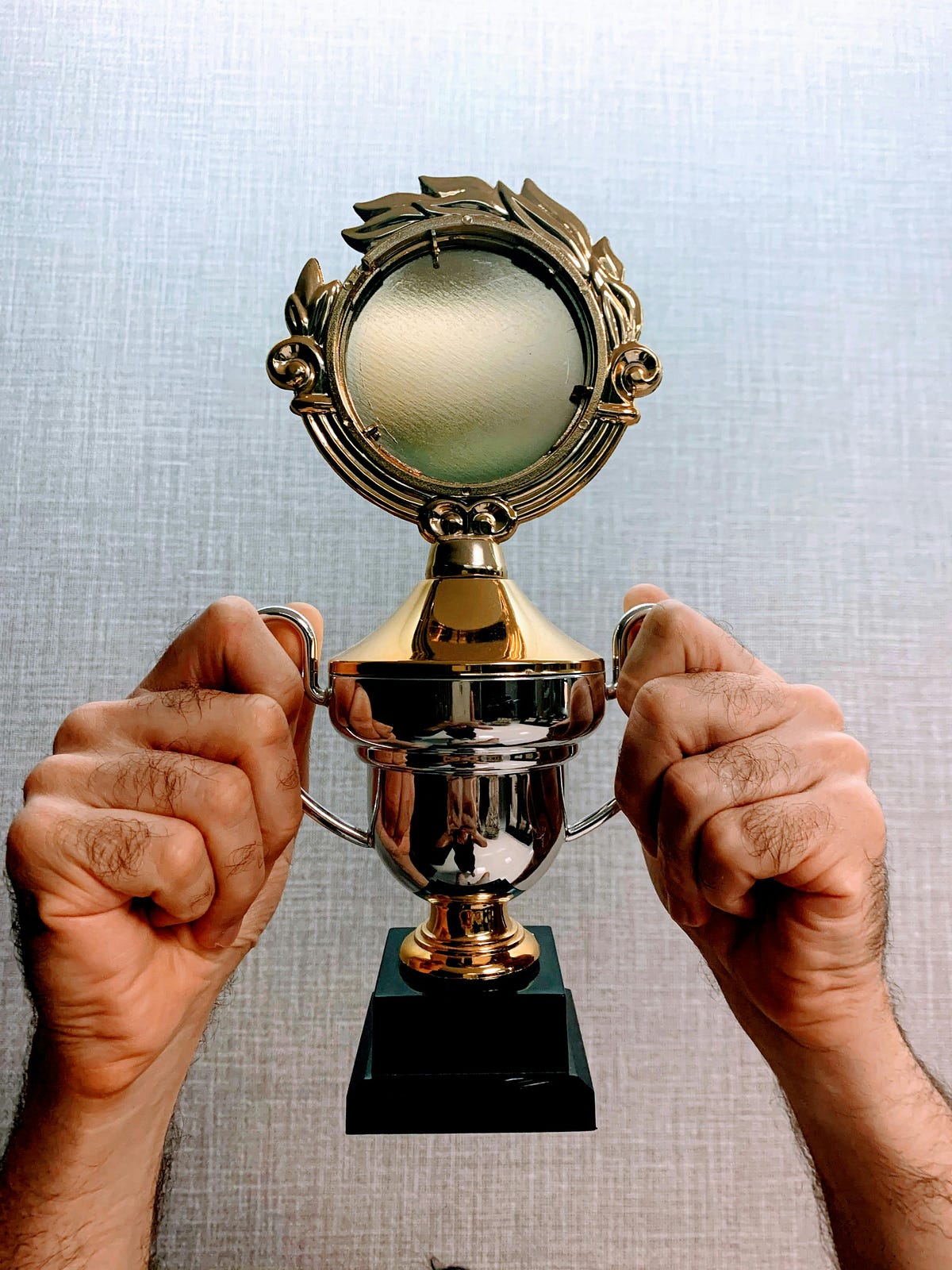
1 day agoWhy The Designer Of The Nostalgic Jazz Cup Never Made A Dime From It - Tasting Table
In 2015, Redditors began asking who was behind the design - it had previously been a mystery. Their detective work attracted news outlets, too, and after some teamwork, a reporter named Thomas Gounley tracked Ekiss down.
Coffee
Typography
fromYanko Design - Modern Industrial Design News
1 day agoLofree Just Made the Most Eye-Candy Mechanical Keyboard of 2026 and It's Inspired by Lipstick - Yanko Design
A lipstick-themed keyboard uses sequenced dual-tone keycaps and a sculptural design to turn workspace hardware into personal, beauty-like expression.
Design
fromYanko Design - Modern Industrial Design News
2 days ago5 Desk Accessories So Cute They Make Work Feel Less Like Work - Yanko Design
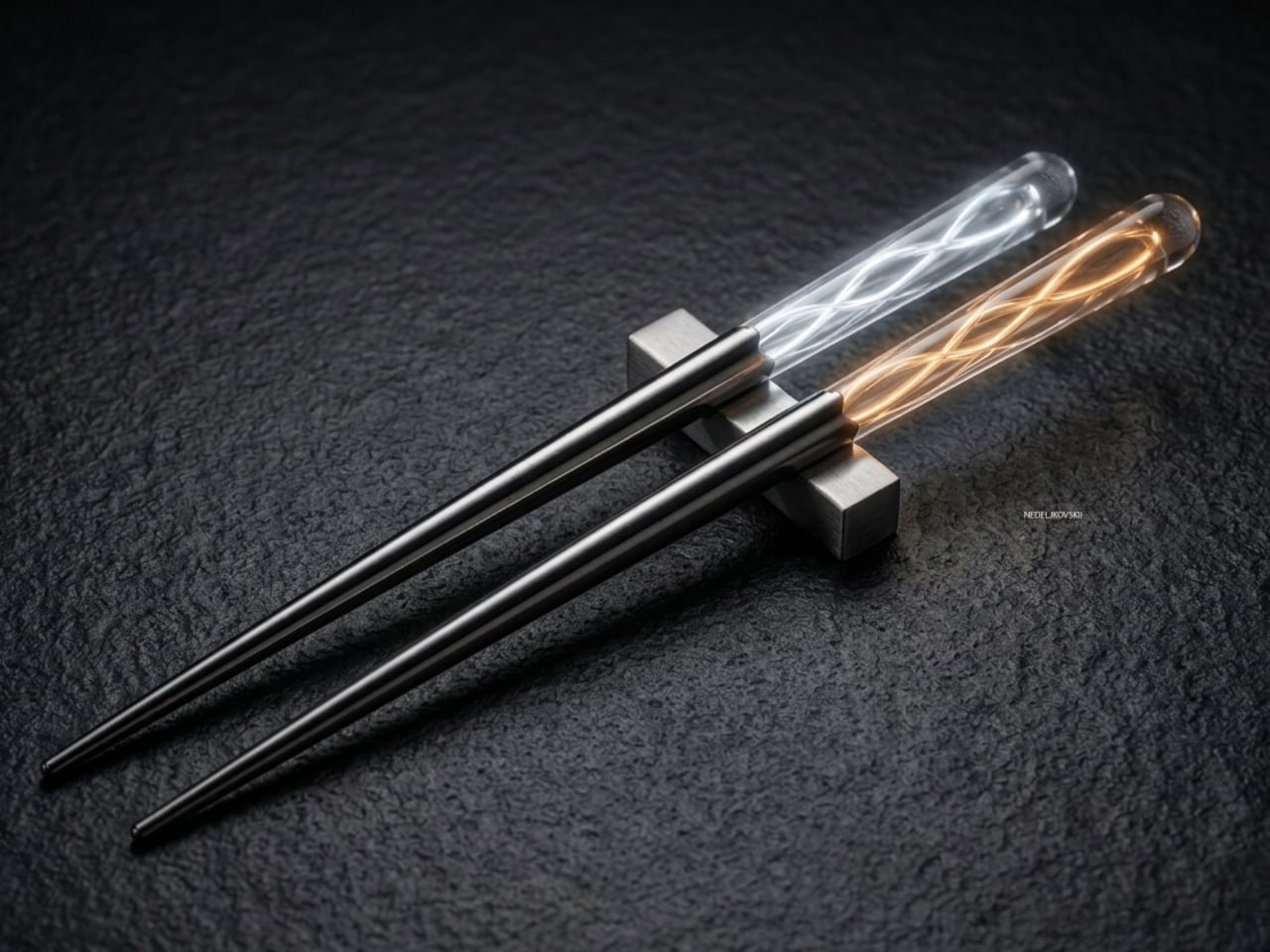
Playful, thoughtfully engineered stationery is replacing neutral desk tools by combining tactile satisfaction, visual charm, and transparent, functional design.
UX design
fromYanko Design - Modern Industrial Design News
5 days ago8 Best Pens and Writing Instruments That Make You Actually Want to Pick Up a Pen Again - Yanko Design
Writing instruments deserve design attention equal to other owned objects, treating writing as a solvable design problem from weight to mechanism.
#industrial-design
Design
fromYanko Design - Modern Industrial Design News
1 week agoAlberto Essesi Just Designed the Lamp That Celebrates Mistakes - Yanko Design
A hanging lamp inverts expected lighting by making the rod glow while a chrome globe at the bottom reflects warm light, turning installation mistakes into elegant humor.
Fashion & style
fromEntrepreneur
1 week agoI Used My Childhood Sewing Machine to Solve a Frustrating Workplace Problem - My Business Will Make $1 Million This Year
Warmür began in 2021 with a prototype made at home and grew into a fast-selling office chair blanket brand.
Warmür expanded after unexpected demand, reaching about $200,000 in sales and targeting $1 million by 2026.
Warmür designs office chair blankets to keep people warm and professional during Zoom calls and in workplaces.

#ai-agents
Artificial intelligence
fromMedium
1 month agoDesigners, your next user won't be human
Every SaaS company will transform into agentic-as-a-service platforms, requiring designers to solve fundamental problems in agent interaction, behavior, and user experience as AI agents become central to enterprise software.
fromMedium
3 weeks agoAI and Design System
AI can generate styles and components for a design system, but the output often lacks the necessary depth and robustness for production-ready solutions. Quick prototyping is the primary strength of AI-generated design systems, not their suitability for serious product development.
UX design
UX design
fromLondon Business News | Londonlovesbusiness.com
1 month agoPhenomenon Studio: AI-Driven UI/UX Innovations Defining the 2026 Design Evolution - London Business News | Londonlovesbusiness.com
AI is now essential in UI/UX design, enabling anticipatory interfaces that enhance user experience and drive business success.
fromBig Think
1 month agoWhy fixing your gadgets often costs more than replacing them
The fix, he told me, was temporary - he didn't have the right part and couldn't get it. This experience revealed a broader shift in how modern products are designed, sold, and owned - one that increasingly treats repair as optional and replacement as inevitable.
Renovation
fromFast Company
1 month agoHow KitchenAid updated its legendary kitchen mixer without sacrificing its design
"We're in a unique spot here because we are really attached to the silhouette. We really don't want to change the outside, which is a challenging engineering function when you say no, the package is fixed," says Joseph Snyder, a system architect at KitchenAid.
Renovation
fromYanko Design - Modern Industrial Design News
1 month agoSoft Means Spoiled, and That's Actually Brilliant - Yanko Design
The handle, made of frosted silicone with a clean, pill-shaped profile, changes its physical firmness based on the freshness of the food stored inside the refrigerator. When everything's fine in there, the handle feels firm to the touch. When something is going bad, it softens.
Gadgets
fromYanko Design - Modern Industrial Design News
2 months agoThe $135 Power Station That's Also a Camping Lantern - Yanko Design
The portable power station market has grown considerably over the last few years, and with that growth has come a predictable flood of look-alike black rectangles. They're useful, sure. But they're mostly garage gear, things you pull out during a power outage or scramble to pack the night before a camping trip.
Gadgets
Science
fromYanko Design - Modern Industrial Design News
2 months agoA Student Built a Pocket Planet Tracker That Works Without Your Phone - Yanko Design
Lumen Orbit is a handheld device designed to maintain awareness of celestial events through real-time planetary data and haptic notifications without requiring apps or telescopes.
Photography
fromYanko Design - Modern Industrial Design News
2 months agoThis Panda-Faced Action Camera Might Finally Get Kids Off Their Tablets - Yanko Design
Cubix is a child-focused camera concept designed with a friendly panda-like face and dual screens to match kids' natural documentary instincts and vlogging preferences.
Design
fromYanko Design - Modern Industrial Design News
2 months agoChess Hasn't Looked Like This in a Thousand Years - Yanko Design
Lee Jinwook's Chess Matt Edition abandons traditional chess iconography, reducing each piece to pure geometric forms without historical references or nostalgic proportions.
UX design
fromdesignboom | architecture & design magazine
2 months agobuddy portable mood lamp encourages interaction through a single wind-up key
Buddy portable mood lamps use a mechanical winding key interface instead of digital controls, prioritizing tactile physical interaction over app-based or touchscreen operation.
History
fromYanko Design - Modern Industrial Design News
2 months agoThis $56 Machete Multitool Borrows Its Best Idea From WWII Survival Gear - Yanko Design
The Delacour Multi-Use Axe Machete offers a more affordable alternative to the classic Woodman's Pal, using stainless steel instead of high-carbon spring steel while maintaining the same proven multi-tool design geometry.
Apple
fromYanko Design - Modern Industrial Design News
2 months agoMac Neo Concept Imagines a Cheaper, A18 Pro-powered Apple Desktop Built for the OpenClaw Era - Yanko Design
A Mac Neo desktop would fill a gap in Apple's lineup by offering affordable Apple silicon in an accessible, colorful design targeting students and first-time buyers.
UX design
fromYanko Design - Modern Industrial Design News
2 months agoEx-BlackBerry Designer Is Calling Out Everything That's Wrong With Modern Phones - Yanko Design
Design should respect human limits and intentional use patterns; products that drain users through addictive features prioritize company gains over user wellbeing and personal growth.
fromBusiness Insider
2 months agoSnap's director of product design doesn't care about your degree. She wants to see what you've built.
What's really helpful about school is that it helps you learn the process. But there are so many ways to learn the process and, especially with AI tools today, you can just get your friends together and make stuff.
Design
fromDesign Milk
2 months agoThis Pared Down Stereo System Takes-on Cubist Dimensions
In Braque's paintings, collages, and prints, the polymath set out to distill bucolic landscapes and rural village scenes as broken up and then re-assembled geometric compositions; decidedly abstract yet still slightly recognizable representations. Through this revolutionary approach, he examined how objects could be depicted from multiple perspectives-multiple sources of light-as if superimposed portrayals of the same setting rendered at different times of day.
Design
[ Load more ]